Inside The Engineering: How Safety Step Products Are Tested
June 2026
At Safety Step, safety isn't a marketing claim—it's an engineering process.
Every product is designed, tested, and evaluated to ensure long-term performance in demanding environments.
Material Verification
Before manufacturing begins, materials are verified by independent laboratories to confirm chemical and mechanical properties.
This process helps ensure consistency and quality from the start.
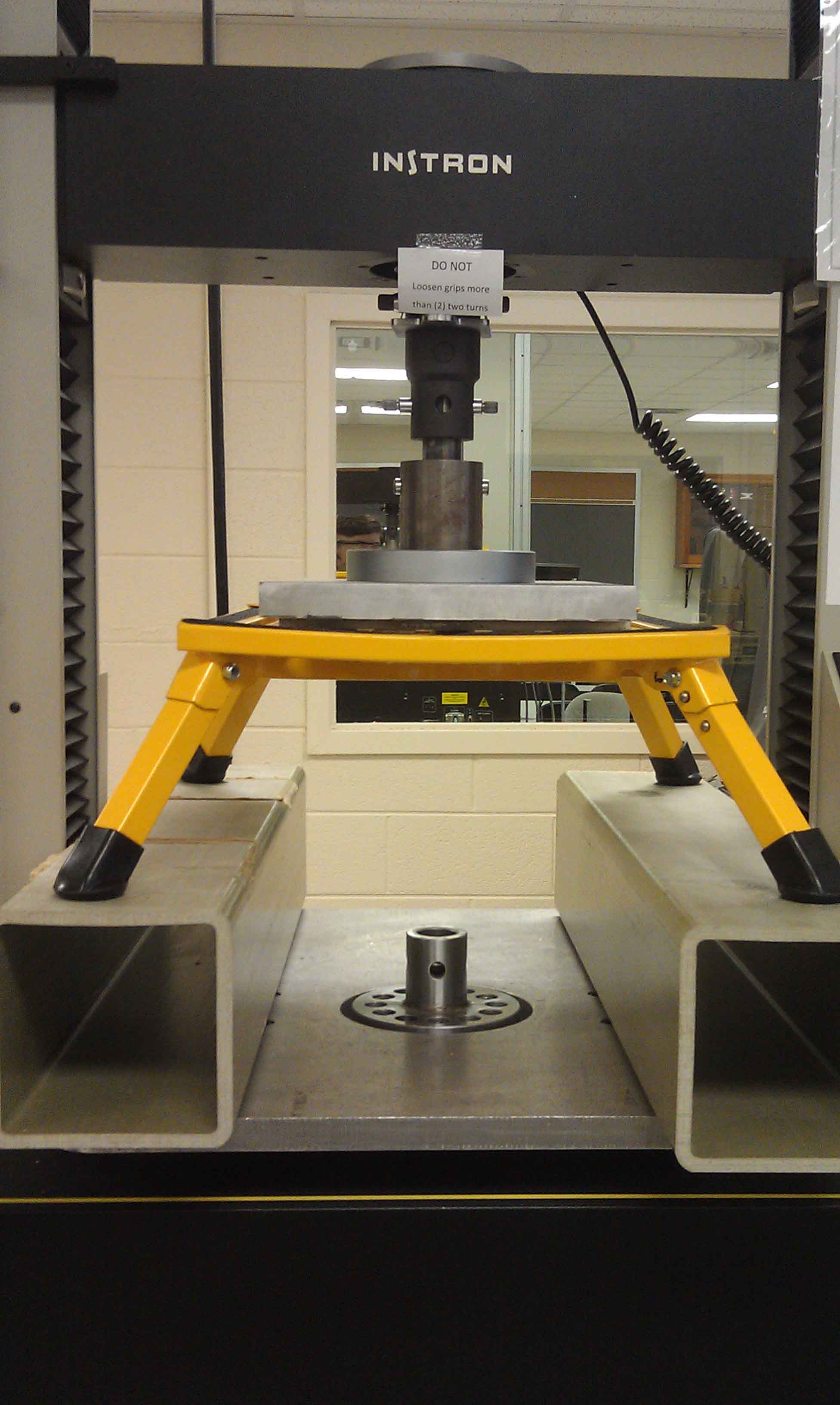
Compression Testing
Finished products undergo static load testing.
During testing, increasing force is applied directly to the platform until structural failure occurs.
Many Safety Step products routinely withstand loads exceeding 2,500 pounds before failure.
Impact Testing
Products are also subjected to dynamic impact testing.
A controlled weight is repeatedly dropped onto the platform to simulate real-world conditions and evaluate resistance to failure.
Production Lot Control
Testing is not limited to product development.
Each production lot is monitored and evaluated through Safety Step's quality assurance program.
This helps maintain consistency and reliability across all products.
Engineered Features
Every Safety Step product incorporates:
- Anti-tip design
- Aircraft-quality heat-treated aluminum
- Angled leg tips for traction
- Corrosion-resistant finishes
- Welded construction
- Lightweight, high-strength engineering
Why Testing Matters
Testing helps verify that products perform as expected when safety matters most.
The result is a product trusted by transportation providers, healthcare organizations, industrial facilities, and commercial operations throughout North America.
Learn More
Explore product specifications, testing documentation, and application guides in the Safety Step Resource Center.